
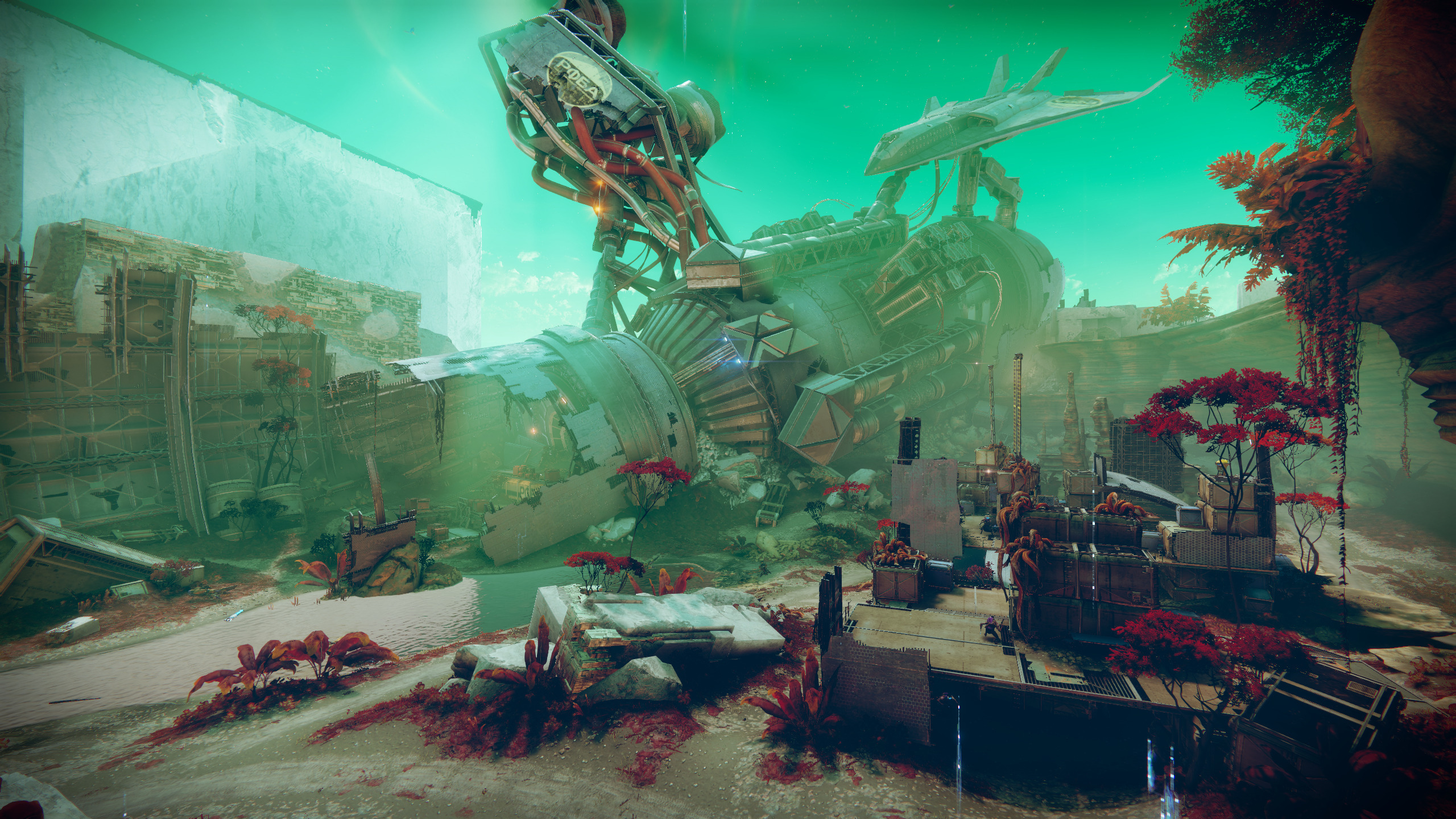
In Destiny 2, each destination isn’t just a map—it’s a living world brimming with texture, tone, and story. The art team at Bungie crafted landscapes, architecture, and light‑scapes that breathe life into alien realms, immersive patrols, and dramatic raid arenas.
This article delves into the design philosophy behind Destiny 2’s planets, how visual cues shape player experience, and why the game’s aesthetic makes even brief visits feel weighty.
World‑Building Through Environment Design
Bungie’s approach to environment design makes each planet an extension of its faction, history, and mythology. From the overgrown elegance of the Dreaming City to the glittering spires of Neomuna, every texture, light shaft, and ruin tells a story before the first shot is fired. As one environment artist put it: “Architecture, environment design and materials are how we ground the mythic in the playable space.”
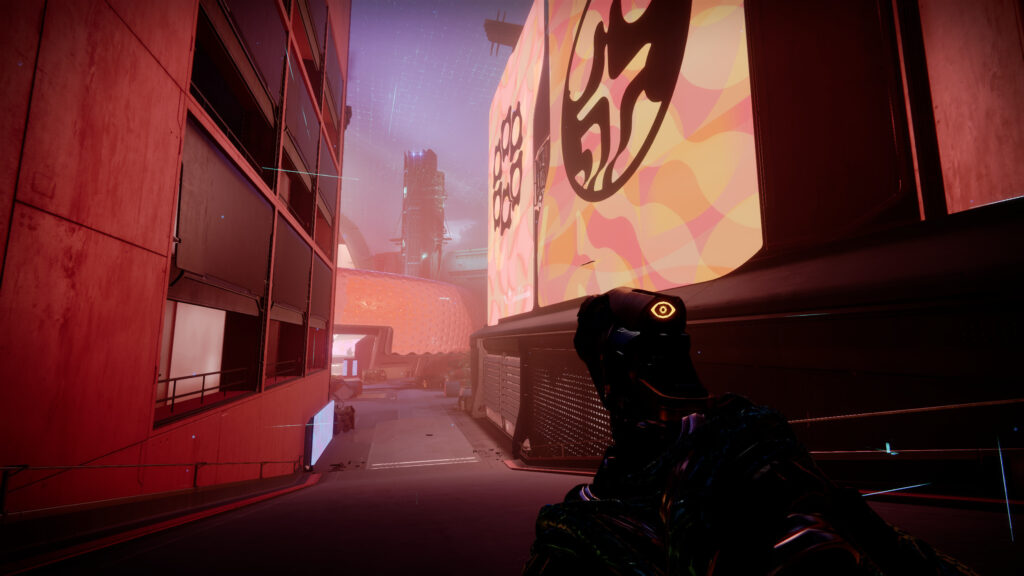
When you step onto a new patrol zone, you’re not just in a place to shoot enemies—you’re entering a world shaped by centuries of lore. Cracked ruins hint at fallen empires, alien vegetation suggests ecological upheaval, and the color palette sets the tone: warm and opulent for Awoken‑ruled regions, cold and harsh for Fallen outposts. It gives each mission an unspoken context.
Lighting, Color and Emotional Tone
Lighting design plays a surprisingly large role in how players perceive each world. On Europa you feel the biting cold in blue‑grey dawn light; on Nessus the emerald vegetation and swirling sky hint at alien mystery. The art direction cites specific influences—Mercury’s “Past” realm, for example, was inspired by landscape‑design work meant to evoke both wonder and disquiet.
Color theory helps define each planet’s identity and emotional weight. Through contrast—bright highlights vs. deep shadows, vibrant alien flora vs. war‑torn wreckage—the designers guide your eyes and mood. This subtlety makes even simple patrols feel meaningful: you’re not just running errands, you’re traversing a world with character.
Architecture as Storytelling
The structures you find on each world aren’t generic—they reflect the faction that built (or destroyed) them. Hive cathedrals draped in bone motifs contrast sharply with Cabal military fortresses brutal and monolithic. Fallen architecture is often reclaimed nature, with vines curling through rusted metal. These design choices communicate narrative: decay, conquest, survival.
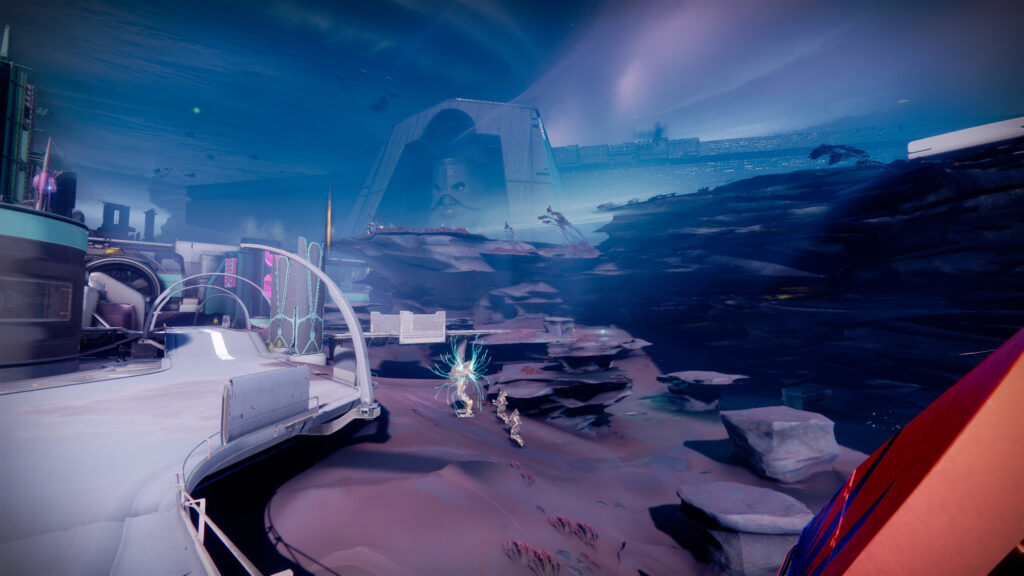
Raid arenas and major encounter spaces amplify this effect. They’re not just arenas—they’re stages. The environment sometimes works with the fight mechanics: a collapsing floor, a monolithic cresting tide of enemies, or a shifting ceiling of spires reflect lore and give the encounter dramatic flair. The visual design reinforces the narrative stakes while supporting gameplay.
Player Movement, Exploration and “Feeling” the World
Part of what makes each planet feel alive is how players move through it. Bungie designs terrain with traversal in mind: jump pads, interactive shards, vertical climbs, hidden alcoves. These features make exploration feel natural and rewarding. When you’re drawn to investigate a distant spire or run toward a glowing object, you’re engaging with the world’s geography, not just its combat zones.
Subtle ambient details—ambient audio, drifting debris, shifting skies—make the zones feel dynamic. Even outside of combat, you sense the world breathing. That’s what elevates Destiny 2’s art: it’s not static. It’s designed for you to live in it, move through it, and feel its history and presence.
Why It Matters for Engagement and Memory
Visual design isn’t just window‑dressing—it’s a tool for memory. Players often remember where they first stepped into a raid, a hidden cave in a patrol zone, or a stunning vista from a strike. These moments happen because the world is distinct, memorable. When every planet looked the same, these moments fade.
Moreover, good visual design supports gameplay without distraction. You learn intuitively where to go, what to pay attention to, and the environment helps you rather than hindering you. It makes new content accessible but rich in nuance. Players feel connected to the world—they’re not merely killing mobs, they’re navigating a lived‑in universe.
Conclusion: The Art of Making Planets Alive
In Destiny 2, the art team’s work underpins everything you do: your missions, your exploration, your story. Every texture, layout, and light beam is crafted to evoke place and purpose. When you land on a planet and draw your Ghost, you aren’t just entering a mission—you’re arriving in a world that already exists and demands your attention.
Bungie’s visual design makes sure that even after hundreds of patrols, the planets still feel special, still feel worth visiting. And in a live‑service game, that means everything. Because when your world feels alive, so does your journey.
Bonus: Visual Highlights Table
| Location | Visual Theme | Distinctive Feature |
|---|---|---|
| Europa | Frozen wasteland & neon tech | Ice‑plate canyons, Pyramid shards |
| Neomuna | Futuristic cityscape under shield | High‑rise towers reflected in water |
| Dreaming City | Mythic Awoken architecture & nature | Golden spires, moonlit forest glades |