
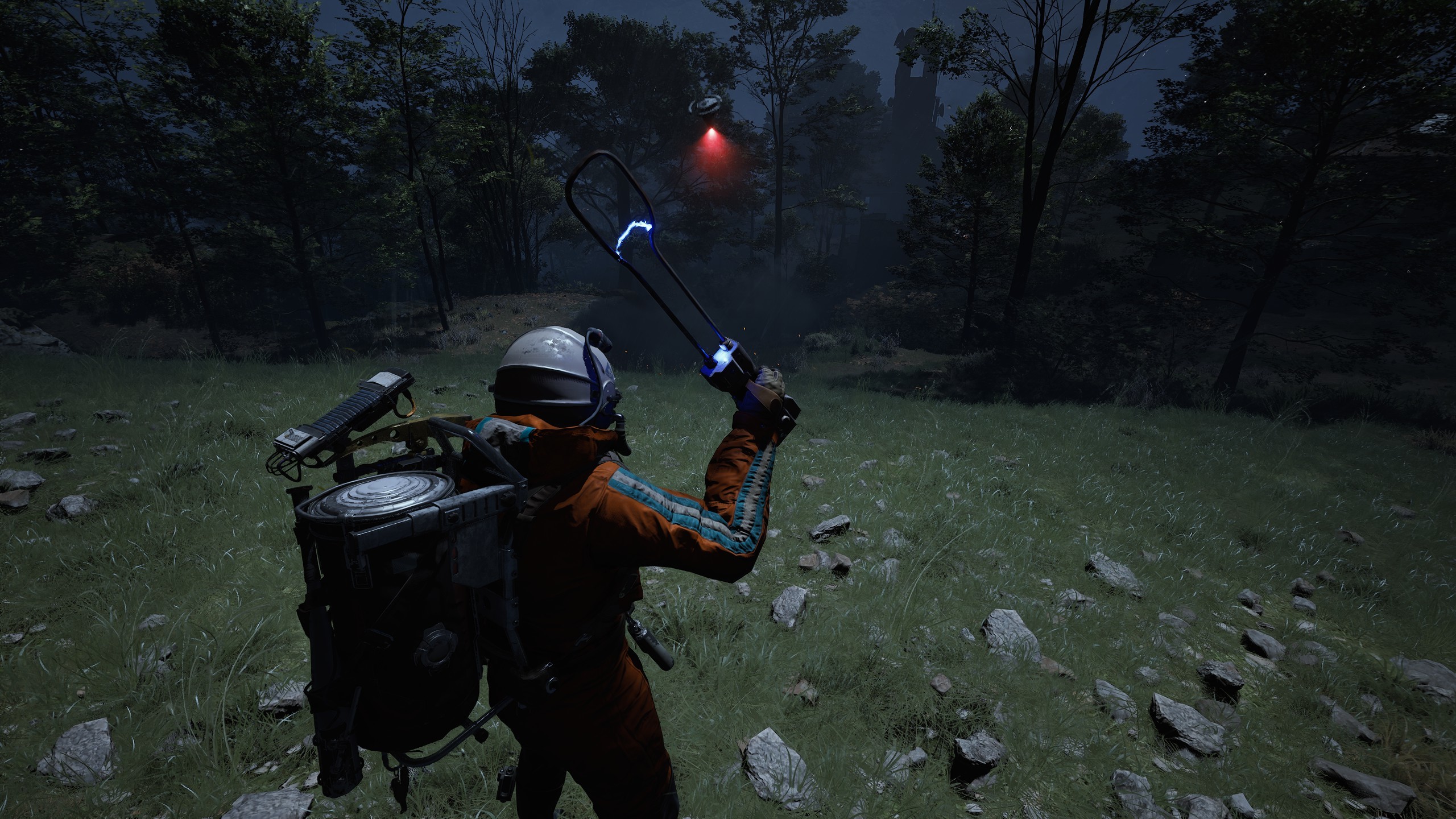
Quest stacking is a distinct tactical progression path that focuses on maximizing the efficiency of every minute spent in the Exclusion Zone. Rather than completing missions one by one, effective raiders identify overlapping objectives and complete them simultaneously. For players looking to accelerate their leveling, unlock blueprints faster, and maximize their rewards, mastering quest stacking forms a reliable framework for progression. Every drop should be a multi-purpose mission.
This guide examines how to analyze your quest log, identify geographic and mechanical overlaps, and plan your raids to ensure that every action you take contributes to multiple goals at once. Efficiency is the ultimate loot multiplier.
The Logic of Geographic Overlap
The most basic form of quest stacking is geographic. Many missions require you to visit specific landmarks, clear certain enemy types, or retrieve items from particular zones. By grouping these missions based on their location, you can plan a single, cohesive route that clears three or four objectives in one trip. This significantly reduces the time spent traveling and the number of dangerous extractions you must perform to achieve the same results.
For example, if one quest requires you to kill Raiders in the industrial district and another asks you to retrieve a fuel cell from the same area, these should always be done together. Planning your “region of influence” before you spawn ensures that you are never wandering aimlessly, but always moving toward a location that fulfills multiple requirements in your log.
Mechanical Stacking and Weapon Mastery
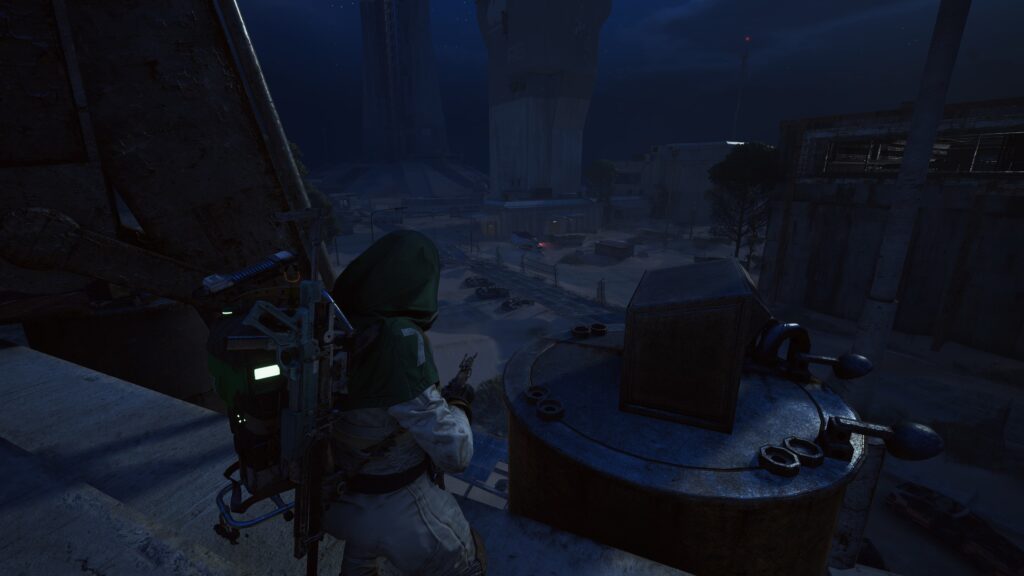
Beyond geography, quests can be stacked based on the actions they require. You can often align combat challenges with resource-gathering goals to maximize your output:
- Weapon-Specific Challenges: If you have a quest to get kills with a shotgun and another to clear a specific enemy camp, use the required weapon to clear that camp. You fulfill the combat requirement while working toward the objective.
- Loot Type Alignment: Stack quests that require different items from the same loot containers. If one NPC needs electronics and another needs wires, you are doubling the value of every toolbox you open.
- Daily and Weekly Sync: Always check your short-term daily goals against your long-term campaign missions. Often, the daily tasks act as a “bonus” that can be completed while you are doing your main progression.
Managing the Risk of Multi-Tasking
The danger of quest stacking is “objective overload,” where you carry too many mission-critical items or stay in the zone too long to finish “just one more” task. To manage this risk, you must prioritize your stack. Designate one quest as your primary objective and the others as secondary. If a fight goes poorly or your inventory fills up with rare materials, be prepared to extract even if only the primary goal is finished. The secondary goals can be picked up during the next stack.
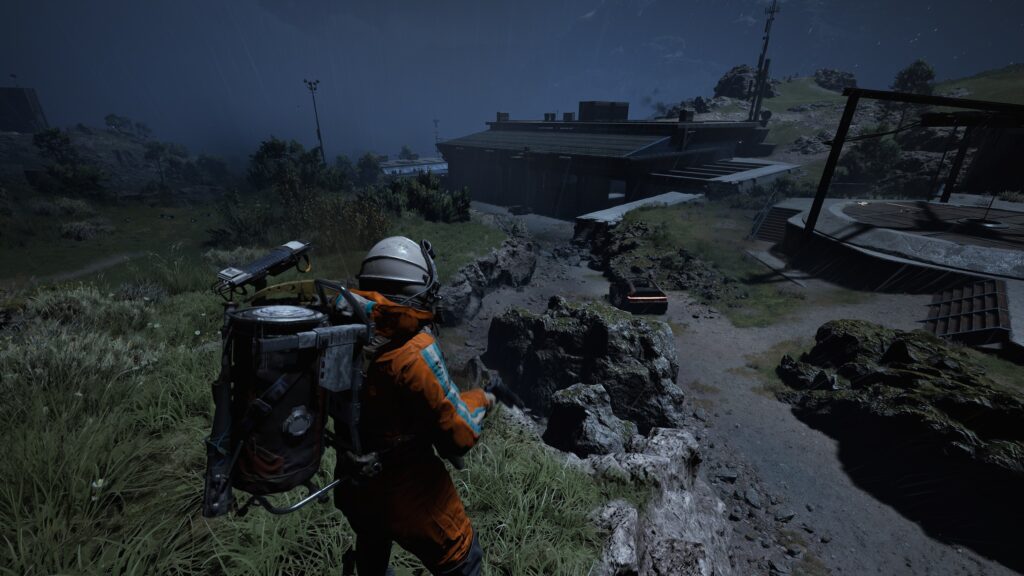
Effective stacking also means knowing when to say no. If a quest requires you to go to the opposite side of the map from your current stack, leave it for another time. The goal is to minimize travel time and exposure, not to spend twenty minutes sprinting across contested territory. By maintaining a disciplined approach to your mission log, you ensure that every raid is a high-yield operation that respects your time and your safety.
Conclusion: Accelerated Growth Through Planning
Quest stacking rewards the organized and strategic mind. By planning your objectives to pay off together, you can achieve in one raid what others take four to accomplish. Integrating this planning phase into your pre-raid routine transforms your progression speed, allowing you to unlock higher tiers of gear and more lucrative missions with unmatched efficiency in the Exclusion Zone.